

I've noticed something nibbling on my blanket flower leaves, leaving behind small, light-colored circular spots. Initially, I wasn't as upset as past Misty might have been with the situation. While I wasn't particularly thrilled that creatures are munching on my leaves and feel stress about dealing with aphid infestations, I'm learning to accept that these aren't truly "my" leaves at all. It's ok.
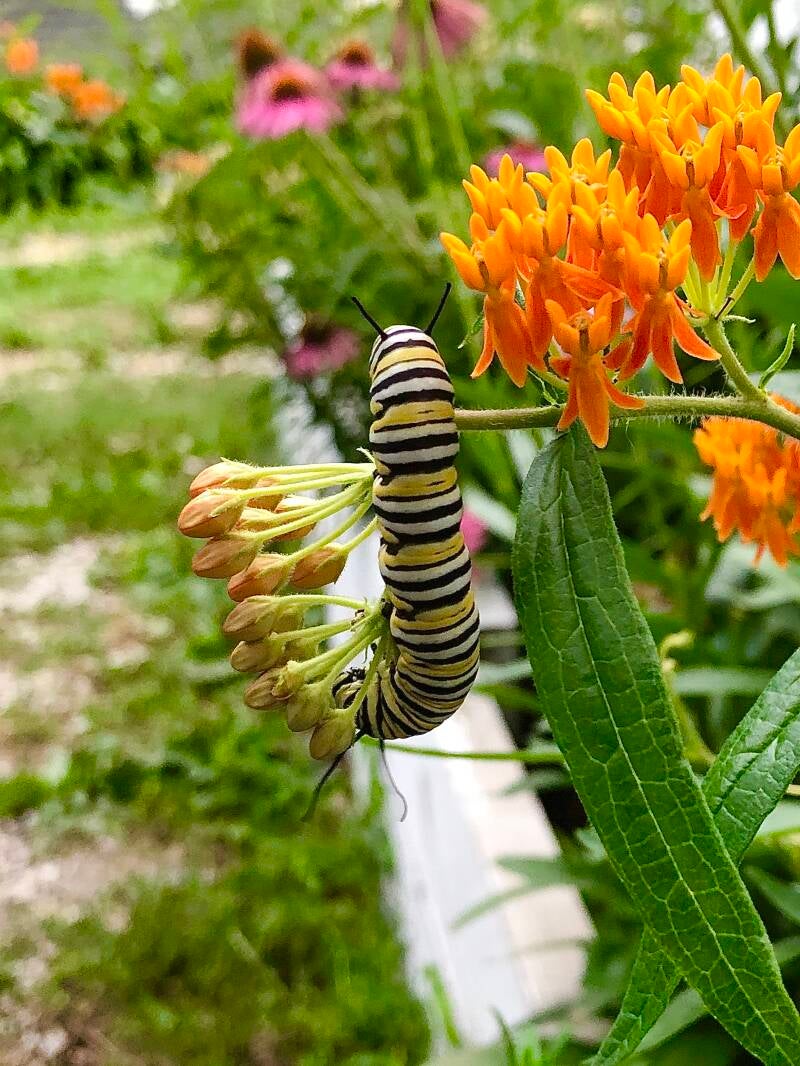
There's a natural system at play here, and it's functioning beautifully. As we cultivate a biodiverse ecosystem and a nature garden, we are aware that our service extends beyond our own needs. We are nurturing nature, and right now, that means blanket flower leaves adorned with polka dots. Soon, it will also mean monarch caterpillars feasting on the milkweed I've planted for them—five varieties, specifically, to ensure plenty of food. There’s an abundance of dill and parsley for the swallowtails, and it won’t be long before the tomato hornworm discovers its favorite meal. While some will fall prey to wasps, allowing their lifecycle to continue, the hope is to achieve a balance that fosters a rich diversity of life.
I like to think that once you recognize how the natural cycles of life and death are not just intertwined but are, in fact, one, you start to plant patio tomatoes away from your main garden beds. Perhaps some sacrificial Roma, just for the chance to witness an essential nocturnal pollinator, the five-spotted hawk moth—a "star of the evening garden." These acts of generosity and reciprocity bring me immense joy, and what a delightful show it is!
Thanks for meandering with me through my backyard garden journaling. To subscribe, hop over to Substack @wildrootsgardensniles. Link on Blog homepage!